Why Your AC Struggles in Spring: What Happened Over the Winter Months
As spring approaches in the Marietta area, many homeowners start thinking about turning their air conditioning back on. But what your AC does all winter—and what happens to it during those colder months—plays a bigger role in spring performance than most people realize.
Even though your AC hasn’t been running, it hasn’t been untouched. In fact, several subtle changes can happen while your system sits idle, and those changes are often the reason issues show up the first time you turn it on.
Understanding what your AC does all winter can help you avoid surprises and better prepare your system for the warmer months ahead.
Your AC Doesn’t Just “Shut Off” for Winter
One of the biggest misconceptions is that your air conditioner simply pauses during winter and picks up right where it left off in spring. In reality, your system continues to be affected by its environment the entire time it’s not in use.
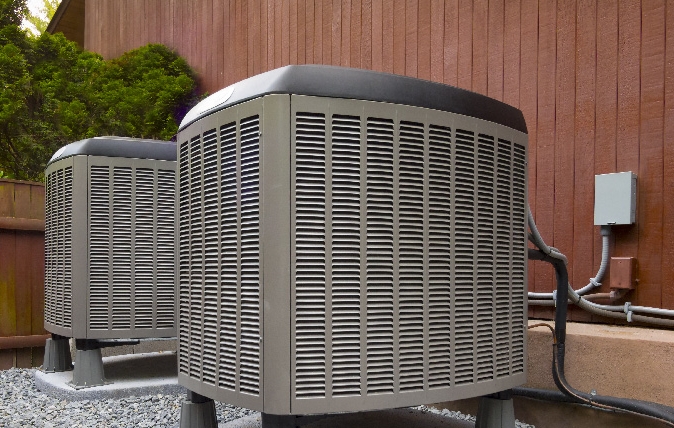
Outdoor units, especially, are exposed to everything winter brings—temperature swings, moisture, debris, and even pests.
While this exposure doesn’t always cause immediate problems, it can quietly impact performance in ways that become noticeable later and lead to expensive AC repairs.
Idle System Degradation: Small Changes Add Up
When your AC sits unused for months, internal components can begin to degrade—even without active use.
Some of the most common issues include:
-
Seals drying out: Rubber components can lose flexibility over time
-
Lubricants settling: Moving parts may not be as well-lubricated when the system starts again
-
Dust accumulation: Fine particles settle on internal components
-
Moisture exposure: Humidity can affect sensitive parts
These changes are gradual and often go unnoticed until the system is turned back on. That’s why what your AC does all winter can directly impact how smoothly it runs in spring.
Electrical Components Don’t Like Sitting Idle
Your AC relies on several electrical components to start and run properly. Unfortunately, these parts are especially vulnerable during long periods of inactivity.
Over the winter months:
-
Capacitors can weaken or lose their charge capacity
-
Contactors may develop corrosion or pitting
-
Electrical connections can loosen slightly over time
When you first turn your AC on in spring, these components are suddenly asked to perform after months of inactivity. That’s why it’s so common for systems to struggle—or fail to start—early in the season.
In many cases, the issue didn’t “just happen”—it developed slowly over the winter.
Outdoor Units Take the Brunt of Winter Conditions
If you’ve ever looked at your outdoor AC unit after winter, you’ve probably noticed it doesn’t look quite the same as it did in the fall. Outdoor units are constantly exposed, and over several months, that exposure can lead to:
-
Debris buildup: Leaves, dirt, and small branches can collect around and inside the unit
-
Blocked airflow areas: Even partial obstruction can affect performance
-
Corrosion: Moisture combined with metal components can lead to wear
-
Compacted dirt: Around the base of the unit, affecting drainage
All of these factors can reduce efficiency and strain your system once it starts running again.
Critters and Insects Can Create Hidden Problems
One of the more surprising aspects of what your AC does all winter is that it sometimes becomes a temporary home for small animals and insects.
It’s not uncommon for technicians to find:
-
Nests inside outdoor units
-
Chewed or damaged wiring
-
Insects interfering with electrical components
-
Debris packed into tight spaces
These issues often go unnoticed until the system is turned on and something doesn’t work as expected.
In some cases, the damage is minor. In others, it can prevent the system from running entirely.
Why Spring Is When Problems Show Up
By the time spring arrives in Marietta, your AC has gone through months of environmental exposure and gradual wear. But you don’t notice any of it—until you need cooling.
That first warm day acts as a “wake-up call” for your system.
Suddenly:
-
Electrical components are under load
-
Airflow becomes critical
-
Moisture removal begins again
-
The system runs for extended periods
If anything weakened over the winter, this is when it shows up.
That’s why understanding what your AC does all winter helps explain why spring AC issues feel so sudden.
What You Can Do Before Turning Your AC On
The good news is that a few simple steps can help reduce the chances of running into problems this spring.
Before turning your system on, consider:
-
Checking around the outdoor unit
Clear away leaves, debris, and anything blocking airflow -
Looking for visible damage
Inspect for chewed wires, bent fins, or obvious wear -
Changing your air filter
A clean filter helps your system start the season strong -
Listening during startup
Pay attention to unusual sounds like buzzing, clicking, or humming -
Testing early
Don’t wait until the first hot day—give yourself time to address any issues
These small steps can make a noticeable difference in how your system performs.
The Bigger Picture: Why This Matters for Homeowners
What your AC does all winter isn’t dramatic—but it is important. The combination of inactivity, environmental exposure, and gradual wear creates the perfect conditions for small issues to develop.
Left unchecked, those small issues can lead to:
-
Reduced efficiency
-
Higher energy bills
-
Inconsistent cooling
-
Unexpected breakdowns
By understanding what’s happening behind the scenes, homeowners can take a more proactive approach to their HVAC system.
Final Thoughts
Your air conditioner may not run during the winter, but it’s far from unaffected. What your AC does all winter—from slow component wear to environmental exposure—sets the stage for how it performs in spring.
For homeowners in the Marietta area, where warm weather can arrive quickly, making sure your system is ready before you need it is key. Start thinking about getting spring AC maintenance now, before it gets supper hot and HVAC companies get super busy!
Taking a little time now to check your system—or simply being aware of what to watch for—can help you avoid frustration later and keep your home comfortable as temperatures begin to rise.